Bitcoin Block Panning
What Is a Bitcoin Wallet? The Complete 2025 Guide to Secure Bitcoin Storage
Learn everything about Bitcoin wallets in 2025 — how they work, key types (hardware, software, custodial), and how BBP helps you earn Bitcoin safely and securely.
Have you ever asked this question: where does purchased Bitcoin actually live?
Unlike traditional money sitting in a bank account, Bitcoin exists purely as digital records on the blockchain. A Bitcoin wallet is the personal digital key that allows you to access, store, and manage digital assets. It does not actually store Bitcoin itself—it stores the cryptographic keys that prove ownership of Bitcoin addresses.
Over the past decade, countless people have lost Bitcoin due to poor wallet choices or security mistakes. Modern wallets now provide user-friendly tools to help secure digital wealth more easily than ever.
This guide explains Bitcoin wallets, how they work, the different types available, and how Bitcoin Block Panning (BBP) can complement your wallet strategy by offering a new way to participate in mining.
Understanding Bitcoin Wallets: The Digital Key to Cryptocurrency Freedom
Bitcoin wallets function more like keychains than traditional wallets. Each private key corresponds to a Bitcoin address on the blockchain. Possessing the private key proves ownership of the Bitcoin associated with that address.
Key concepts:
- Private Keys: Secret 256-bit numbers that prove Bitcoin ownership. Whoever controls the private key controls the Bitcoin.
- Public Keys and Addresses: Generated from private keys and safely shared to receive Bitcoin. Private keys must never be shared.
- Digital Signatures: Wallets use private keys to sign transactions. The Bitcoin network verifies the signature before confirming transfers.
- Wallet Software: Interfaces that manage keys, create transactions, and interact with the Bitcoin network.
The key distinction is control of private keys. Custodial wallets (like exchanges) hold keys for you, while non-custodial wallets give you full ownership. This distinction is central to the saying: ‘Not your keys, not your coins.’
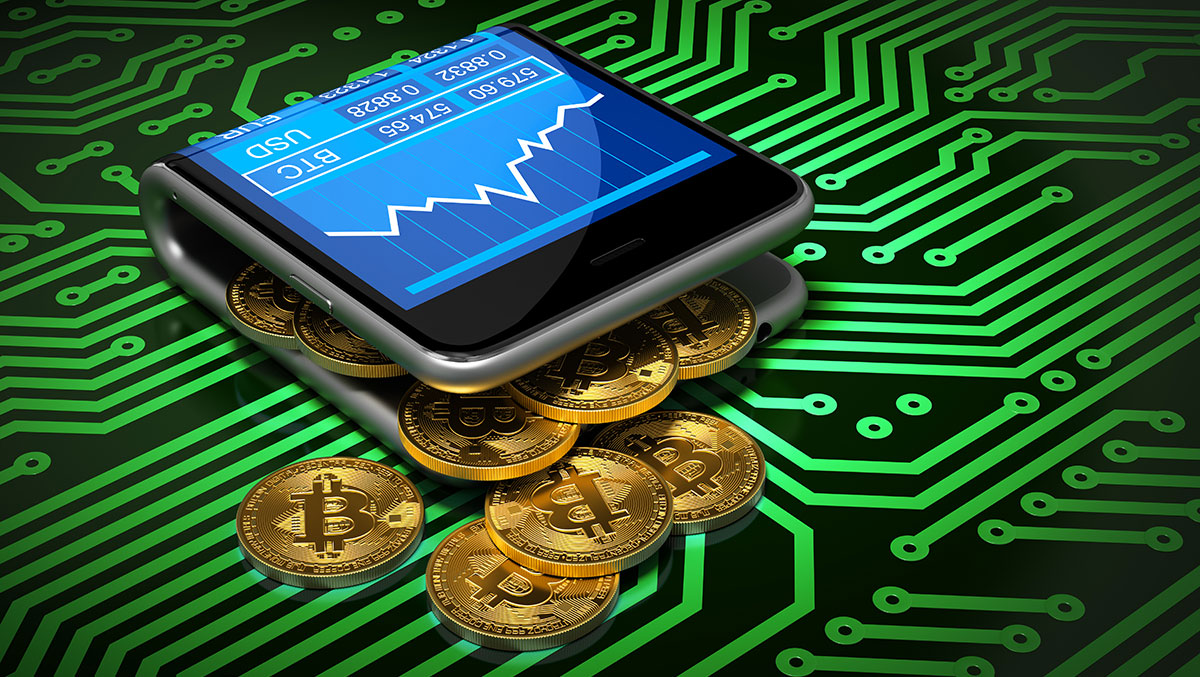
The software wallets are Free, user-friendly, frequently updated but vulnerable to malware, depend on device security.
Types of Bitcoin Wallets: Finding the Right Storage Solution
1) Hardware Wallets: Maximum Security for Long-Term Storage
Hardware wallets (cold wallets) are physical devices that store private keys offline, protecting assets from online threats. Examples include Ledger Nano X, Trezor Model T, and ELLIPAL Titan 2.0.
Pros: Maximum security, offline storage, immune to online hacks
Cons: Cost $50–200+, less convenient for daily use, can be lost or damaged
2) Software Wallets: Convenience and Accessibility
Software wallets are applications for desktops or mobiles. They balance usability with security, making them ideal for frequent transactions.
- Desktop options: Electrum, Bitcoin Core, Exodus
- Mobile options: BlueWallet, Atomic Wallet
Pros: Free, user-friendly, frequently updated
Cons: Vulnerable to malware, depend on device security
3) Custodial vs Non-Custodial
Custodial wallets (e.g., Coinbase, Binance) are managed by third parties, while non-custodial wallets (e.g., hardware wallets, Trust Wallet) give users full control.
Custodial pros: Easy to use, support, integrated trading
Custodial cons: No control over keys, vulnerable to hacks
Non-custodial pros: Full ownership, privacy, no third-party risk
Non-custodial cons: User is fully responsible for security
How to Choose the Right Bitcoin Wallet
Choosing depends on your needs:
- High-security needs: Hardware wallets, multi-signature setups, cold storage
- Daily use: Mobile or desktop wallets
- Beginners: Custodial wallets (e.g., Coinbase, Cash App) with gradual transition to non-custodial options
Bitcoin Block Panning: Filling Your Wallet with Earned Bitcoin
Once your wallet is ready, you can explore Bitcoin Block Panning (BBP) at https://bbp.minerium.com/. BBP is Minerium’s innovative way of giving people access to real Bitcoin mining for just $2 per session.
What makes BBP unique
- Direct participation in real mining, not simulations
- Affordable entry without equipment, noise, or energy bills
- Transparent results on the Bitcoin blockchain
BBP complements wallet strategy: set up a secure wallet, start with small sessions, scale participation, and transfer earnings to a non-custodial wallet immediately.
Common Bitcoin Wallet Mistakes to Avoid
- Writing seed phrases digitally
- Using public Wi-Fi
- Ignoring updates
- Relying on only one backup
- Mixing up addresses
- Blind trust in custodial services
- Overcomplicated security setups
The Future of Bitcoin Wallets in 2025
Wallets are evolving with Lightning Network support, biometric access, social recovery, multi-chain compatibility, and built-in earning opportunities like BBP.
Conclusion
Understanding Bitcoin wallets is essential for ownership. Combine secure storage with earning opportunities like BBP for a complete Bitcoin strategy. Start with security, think beyond storage, plan for growth, and stay informed.